In partnership with ed2go, the School of Certifications provides flexible, online, self-paced certificate programs designed to help you launch a new career or grow in your current field. Each program is created by industry experts and includes access to dedicated student support, guiding you every step of the way as you prepare for in-demand careers and nationally recognized certifications. Explore training in areas such as IT, business, healthcare, legal studies, and more. Upon successful completion, you’ll earn a certificate from the School of Certifications, and when applicable, receive a voucher to take the certification exam.
Highlighted Programs

Online Certified Clinical Medical Assistant Training
Become a Certified Clinical Medical Assistant Online
This course will train you to become a critical healthcare team member. Clinical medical assistants combine clinical and procedural knowledge, working across the domain of healthcare facilities to aid in patient care and in-office procedures. They are tasked with working directly with patients and supporting the work of doctors and other healthcare professionals. This 100% online course will prepare you to work as a certified clinical medical assistant (CCMA), designated by the National Healthcareer Association (NHA).
Course Objectives
- Learn the necessary skills to function as a vital member of the healthcare team in an ambulatory setting
- Understand ethical behavior, therapeutic communication, and protecting the privacy of patient information
- Demonstrate the importance of a first impression, maintaining a safe office environment
- Identify medical terminology and clinical procedures
- Summarize the importance of the revenue cycle, the role of a practice manager, and the undertaking of risk management strategies to achieve medical practice efficiency
- Identify the professional traits that a medical assistant must possess
- Learn the various administrative and clinical job duties of a medical assistant
- Summarize the techniques and best practices for obtaining a medical assisting position
- Prepare to sit for the Certified Clinical Medical Assistant (CCMA) exam through the NHA
Job Outlook
The healthcare field offers one of the leading areas of opportunities for career growth today. Within healthcare, medical assistants are among the most in-demand professionals.
The U.S. Bureau of Labor Statistics (BLS) anticipates 14% growth and 114,600 new job opportunities between now and 2032. According to the BLS, the average medical assistant salary is $38,270 (as of May 2022). Indeed.com reports that the average wage for a certified medical assistant in the U.S. is $45,061 per year as of December 17, 2023.
What Is a Certified Clinical Medical Assistant?
A certified clinical medical assistant (CCMA) is a healthcare professional who supports physicians and medical staff by performing both clinical and administrative tasks. These duties may include taking vital signs, preparing patients for exams, assisting with procedures, administering injections, and managing patient records. CCMAs work in clinics, physician offices, and other outpatient healthcare settings.
Does This Course Prepare Me for Certification?
Yes. This training program is designed to prepare you for the Certified Clinical Medical Assistant (CCMA) exam offered by the National Healthcareer Association (NHA). The course covers the essential clinical and administrative skills needed to successfully pass the exam and begin working in a healthcare setting.
What Kind of Jobs Can I Get After Completing This Program?
Graduates of this program may pursue roles such as clinical medical assistant, medical office assistant, patient care technician, or administrative medical assistant. These positions are commonly available in physician offices, urgent care centers, outpatient clinics, and specialty practices.
Is clinical medical assisting a good career?
Yes. Clinical medical assisting is a strong career choice with steady demand in the growing healthcare field. It offers opportunities for advancement, flexible work environments, and the ability to make a direct impact on patient care. Many individuals also use this role as a stepping stone into other healthcare careers such as nursing or specialized medical fields.

Certified Paralegal (Voucher Included)
Train to Become a Paralegal Online
This comprehensive certified paralegal course will equip you with the essential skills and knowledge required to excel as a paralegal—in just 12 months! Whether you want to work in a traditional law office, corporate, government, or public arena.
You will learn how to conduct legal research, legal interviews, and legal analyses, among other important tasks. Additionally, you will receive soft skills training to enhance your workplace effectiveness, which is essential for a successful career in the legal profession.
The paralegal course concludes with a capstone project, where you will create a complete litigation file that includes a legal analysis brief, an investigative report, client interview checklist, intake memo, complaint, legal research, and interoffice memorandum of law. This project will help you showcase your skills and give you a comprehensive understanding of the paralegal’s role in the legal process.
As a bonus, you will also receive membership and access to NALA’s Certified Paralegal (CP) Exam Review courses through our partnership with the National Association of Legal Assistants (NALA). This paralegal certification course offers enrollment with or without a voucher. The voucher is prepaid access to sit for the CP exam through the NALA upon eligibility. Proctor fees may apply, which are not included.
Course Objectives
- Learn the fundamentals of the U.S. legal system
- Master how to perform legal research and interviews
- Prepare yourself to take the Certified Paralegal certification exam through the National Association of Legal Assistants (NALA)
- Understand the basics of litigation communication skills
- Soft skills for workplace effectiveness
- Learn the necessary skills required to thrive within the legal industry
- Learn legal research skills with access to Westlaw
Job Outlook
According to the U.S. Bureau of Labor Statistics (BLS), jobs for paralegals will grow by 4% through 2032. On average, around 38,000 jobs for paralegals are expected annually.
Salary.com reports that the average salary for a paralegal in the U.S. is between $60,300 and $121,420, depending on your law specialty and experience level.
U.S. News & World Report ranks paralegals #7 in the “Best Social Services Jobs†and #74 in the “100 Best Jobs.â€
What Is a Paralegal?
A paralegal is a trained professional who supports attorneys by performing legal tasks such as conducting research, drafting documents, organizing case files, and preparing for trials or hearings. Paralegals play an important role in law firms, corporate legal departments, and government agencies by helping ensure legal work is completed efficiently and accurately. While they cannot provide legal advice or represent clients in court, they are essential to the day-to-day operations of the legal system.
What Kind of Jobs Can I Get After Completing This Program?
Graduates of this program may pursue roles such as paralegal, legal assistant, or legal administrative assistant. These positions are commonly found in law firms, corporate legal departments, government agencies, and nonprofit organizations.
Is Paralegal a Good Career?
Yes. A career as a paralegal offers strong demand, opportunities for growth, and the ability to work in a variety of legal settings. It provides a stable career path with opportunities to specialize in areas such as corporate law, real estate, family law, or litigation, and can serve as a stepping stone to advanced legal careers.

Online Bookkeeping and QuickBooks Online Training
Learn Bookkeeping with QuickBooks Online
Regardless of the industry, all businesses can benefit from using QuickBooks to organize their finances, stay on top of invoices, pay bills on time and track expenses efficiently. This 100% online course will teach you how to use QuickBooks Online for basic accounting, recording income and expenses, and entering checks and bank transfers. Once you complete this course, you will understand how to get your finances in order and be prepared for the QuickBooks Certified User Exam.
Course Objectives
- Prepare to sit for the QuickBooks Certified User Exam (QBCU).
- Successfully set up a company file in QuickBooks Online.
- Perform fundamental analysis of accounts, financial documents, and reports.
- Perform essential bookkeeping duties and tasks.
- Apply basic accounting principles (accrual method, depreciation, and so on) to bookkeeping practices.
- Understand fundamental accounting concepts and how QuickBooks works to support these concepts.
Job Outlook
According to PayScale.com, bookkeepers earn on average $17.37 per hour. Experienced bookkeepers can earn over $56,000 annually.
According to CareerBuilder.com, bookkeeping is a highly transferable skill set for accounting professionals who want to advance into financial analysis or management roles.
Technology is highly relevant to the bookkeeper’s role. Mastering QuickBooks Online is the key to matching bookkeeping skills with expanding requirements for analysis, visual data presentation and reporting that provides value-added to the traditional bookkeeper’s duties.
What Is a Bookkeeper?
What Does the Bookkeeper Role Involve?
Bookkeepers serve on the front lines of a person, company or organization’s financial health. Strong bookkeepers set up, deploy and manage systems that record the flow of funds into and out of an entity’s coffers. Using reporting tools and systems, bookkeepers help individuals and operational managers stay aware of and improve an entity’s financial status and performance.
Why Do Bookkeepers Need QuickBooks?
QuickBooks® has replaced the manual entry functions of traditional bookkeeping. However, the organization, reporting and use of financial data still rely heavily on human input and processing. Knowing how to automate your bookkeeping practice with QuickBooks is an important aspect to staying competitive in today’s job market.
Do Companies Want Bookkeepers Who Already Know QuickBooks?
Yes, if you’re an expert in the latest version of QuickBooks, you can walk into any small business and immediately organize their finances. QuickBooks is the top-rated accounting software for small businesses, you likely know a company that already uses it.

Clinical Dental Assistant Certification Training
Prepare for the Certified Dental Assistant (CDA) Exam Online
This online Clinical Dental Assistant certification training will equip you for career success—with no previous experience necessary! You will learn about every aspect of professional dental assisting, including invaluable real-world perspectives from experienced dental assistants and essential information about anatomy and physiology, preventive dentistry, patient care and communication, radiology, pharmacology, anesthesia, assisting in specialty practices, employment strategies, and much more.
You will even explore the basics of maintaining computerized clinical dental records using Dentrix Practice Management software. You will also be ready to pursue certification as a dental assistant by passing the radiology, infection control, and anatomy and physiology portions of the Dental Assisting National Board examinations – NELDA or CDA.
Students of this clinical Dental Assistant program can participate in ed2go’s optional Clinical Experience support program. The application for the Clinical Experience support program is within the course. You must be 80% complete within this dental assistant course before you are eligible to reach out to a Clinical Experience Team member for program information. Once you have gained clinical experience and in-person hours, you will be prepared for the general dental assistant certification exam. See below for the full requirements.
Course Objectives
- State transferable hard and soft skills in order to complete a résumé for a dental assistant position
- Describe the roles for each member of the dental team and twelve dental specialties
- Define the legal and ethical practice of dental assisting, including HIPAA
- Explain deciduous and permanent dentition along with their functions in dental anatomy and pathology
- Describe the chain of infection, transmission routes, and infection control for the dental practice, along with OSHA regulations
- Summarize the role of the dental assistant in pharmacology, nutrition, and interaction with a variety of patients in normal daily activities and emergency situations
- Describe the use, care, and preparation of dental instruments for patient care
- Outline the necessary components of a patient record prior to dental charting
- Use charting techniques to identify dental restorations and disease to create a treatment plan to prevent future disease progression
- Set up equipment for anesthesia and sedation.
- Describe patient clinical methods and techniques to prevent dental disease
- Identify the process of exposing high-quality radiographs in both traditional and digital formats
- Describe dental materials, their uses in dental treatment, and skills needed to use them efficiently
- Define the dental assistant’s role in pediatric dentistry, orthodontics, endodontics, prosthodontics, and cosmetic dentistry
- Explain the communication and business needs to maintain a dental business office
Job Outlook
According to the U.S. Bureau of Labor Statistics (BLS), the average salary of a dental assistant is $46,540 as of May 2023. The highest 10% of earners make over $61,060 annually.
Employment is projected to grow by 7% through 2032, which is considered much faster than average. On average, 55,100 new job openings are projected for these professionals over this time period.
What Is a Dental Assistant?
What is a clinical dental assistant?
Clinical dental assistant jobs vary based on the dental office and the state your work in. Typical duties include preparing patients for treatment, sterilizing tools, instructing on proper dental hygiene, passing instruments to the dentist during procedures, keeping records of treatments, scheduling appointments and processing x-rays.
How long will it take to become a clinical dental assistant?
Most clinical dental assistant training programs can be completed in one year or less. This does not include the time you will spend participating in a Clinical Experience or similar position to gain experience in the field. It also does not include the required two years of work experience you will need to become certified as a dental assistant.
What are the requirements to become a certified dental assistant?
To become a Certified Dental Assistant, you will need to pass the three components of the Dental Assisting National Board (DANB) Certification Exam and meet the Board’s work experience requirements. You will need to pass the Radiation Health and Safety, Infection Control, and General Chairside components of the DANB Certification Exam as well as complete at least two years of work experience (or a minimum of 3,500 hours accrued over a two to four year period).
What kind of hours do clinical dental assistants work?
Most dental assistants work a full-time schedule of 40 hours per week, however there are some dental assistants that work part-time. Many of the hours will be worked during the day, but depending on your dental office, you may be asked to work some evenings or weekends.
Where do clinical dental assistants work?
Almost all clinical dental assistants work in dental offices under the supervision of dentists, though some may find employment with the government or in physicians’ offices. Dental assistants work very closely with dental hygienists. In this position, you will be on your feet for large portions of the day and wear surgical masks, safety goggles, gloves, and protective clothing to prevent the spread of infectious diseases.
What is the difference between a clinical and administrative dental assistant?
While both roles are important components of the dental staff, an administrative dental assistant focuses more on the office’s administrative tasks, such as greeting patients, collecting patient information, filling out medical forms, organizing office records, and other clerical tasks. On the other hand, a clinical dental assistant helps dentists and dental hygienists with treatment procedures, sterilization and disinfection of dental tools, patient charting, taking vital signs, processing quality radiographs (x-rays), and more.
What is a dental assistant vs a dental hygienist?
Dental assistants and dental hygienists are essential members of the dental office’s daily operations. Dental hygienists have a larger scope of practice and additional education and are more active in patient care planning and diagnosis. Dental assistants play an invaluable role in supporting both hygienists and dentists. This position is excellent for those just starting their careers, allowing fewer entry barriers.

Online Medical Billing and Coding Certification Prep
Become a Certified Medical Billing and Coding Specialist
This 100% online medical billing and coding course will prepare you for success as you learn about legal, ethical, and regulatory concepts central to this field, including HIPAA compliance, official coding guidelines, and third-party payer requirements. You can also choose a voucher for the professional medical billing and coding certification (Certified Professional Coder (CPC), Certified Coding Associate (CCA), or Certified Billing and Coding Specialist (CBCS)) that best aligns with your interests and career goals—setting this course apart from others you may have seen before!
Upon completing this course, you will earn a Certification of Completion and be prepared for your selected certification exam.
Course Objectives
- Medical Billing and Coding
- Medical coding terminology is required for medical coding, including the structures and functions of the human body
- The disorders and medical procedures common to each body system
- Legal, ethical, and regulatory concepts central to the field, including HIPAA compliance and third-party guidelines for filing insurance claims
- The main coding manuals: ICD-10-CM, ICD-10-PCS, CPT, and HCPCS Level II
- How to code diagnoses, services, and procedures for all systems of the body
- Fundamentals of medical billing & coding and medical terminology
- Word parts and the structures and functions of the human body
Job Outlook
According to the U.S. Bureau of Labor Statistics (BLS), the average annual salary of medical billing and coding specialists is $47,180 (as of May 2022). Jobs for these professionals will likely increase by 8% through 2032, much faster than the average for all other professions (3%).
The BLS also estimates that at least 15,000 new jobs for medical billers and coders are expected annually, on average, over the decade.
What Does a Medical Biller and Coder Do?
Medical billers and coders are responsible for processing patient data including medical records and related insurance. In this position, you will code a patient’s diagnosis and then request payment from the patient’s insurance company. You will play an important role in ensuring that healthcare providers are quickly and accurately paid for the treatment they give patients.
Is there a difference between medical billing and medical coding?
Yes. Medical coders translate patient care into current procedural terminology (CPT) codes. Their primary responsibility is to ensure that the medical services provided are accurately coded. Medical billers are responsible for creating a claim based on the codes a medical coder provides. Many professionals in this area have both medical billing and medical coding skills.
What are the requirements for a medical billing and coding career?
Entry-level positions typically require completion of a certificate and passing one of the certification exams or an associate degree program in medical billing and coding. Additionally, medical billing and coding professionals must understand the Health Insurance Portability and Accountability Act (HIPAA).
How long does it take to become a medical biller and coder?
In most cases, it takes between one and three years to become a medical biller and coder. Earning a medical billing and coding certification can take up to one year, while earning an associate degree can take up to three years.
What is the difference between certification exams (CPC, CCA, and CBCS)?
Obtaining a CPC, CCA, or CBCS certification implies that an individual has met competencies in medical billing and coding. Students have an opportunity to make confident, informed decisions about the national certification they prefer.
The Certified Professional Coder (CPC) exam is offered by the American Academy of Professional Coders (AAPC). It is the gold standard entry-level coding certification for physician, or professional fee, coders.
The Certified Coding Associate (CCA) is offered by the American Health Information Management Association (AHIMA). It is an entry-level medical coding certification across all settings–physician practices and inpatient hospital.
The Certified Billing and Coding Specialist (CBCS) is offered by the National Healthcareer Association (NHA) and is currently an entry-level medical billing certification for physician practices. In the summer of 2021, the exam will transition to an entry-level billing and coding certification, with the inclusion of ICD-10-CM, CPT, and HCPCS Level II testing.
Is medical billing and coding a good career?
U.S. News & World Report ranked medical records technician (professionals that perform medical billing, medical coding or both) in the top 5 on its list of “25 Best Jobs that Don’t Require a College Degree,” #12 in “Best Health Care Support Jobs†and on the “The 100 Best Jobs†list.

Become a CRCST Sterile Processing Technician Online
Become a Sterile Processing Technician and get CRCST Certified
Begin a critical healthcare career as a certified sterile processing technician (SPT). Sterile Processing Technicians, also known as Central Service Technicians, prevent infection by sterilizing, cleaning, processing, assembling, storing, and distributing medical supplies. This 100% online sterile processing technician course will train you to work as an SPT and will also prepare you for the Certified Registered Central Service Technician (CRCST) certification offered by the Healthcare Sterile Processing Association (HSPA)—all in 12 months or less.
You will learn all the necessary steps required to perform the duties and tasks of an SPT as you gain confidence to begin your new career. Gain proficiency in the step-by-step requirements of the sterilization process and fully prepare to pass the CRCST exam. A voucher for the exam is included in the cost of your course.
Course Objectives
- Define the sterile processor role, responsibilities, professional skill set, and communication expectations (including accurate use of medical terminology and anatomy) required in the central processing and surgical services departments
- Identify sterile processing regulations and standards providing by regulatory agencies and professional associations to ensure workplace safety, infection prevention, and proper support for the ancillary departments
- Discuss basic procedures and best practices for each phase of sterile processing, including decontamination, inspection, preparation, and sterilization of medical instruments and supplies
- Understand sterile storage considerations, guidelines, concerns, and common quality assurance procedures in the sterile processing department
- Discuss the importance of following procedures to care for loaner instruments and manage inventory while using information management systems
- Describe how to adhere to compliance when handling documentation and maintaining records
- Explain the importance of effective communication, human relations, and personal development and how improving these skills can impact the career of a sterile processing technician
- Understand all the tasks related to the role and responsibilities of an SPT
Job Outlook
- The U.S. Bureau of Labor Statistics (BLS) estimates that job demand for sterile processing technicians and similar positions will increase by 6% through 2031. It estimates that 7,700 jobs will be opened each year in this job category.
- The BLS reports that medical equipment preparers earn an average salary of $42,420 per year, with the top earners pulling in over $60,000.
- According to the BLS, California, New York, Texas, Ohio, and Florida are among the states with the highest employment in this field.
What Is a Sterile Processing Technician
WHAT IS A STERILE PROCESSING TECHNICIAN? WHAT DOES A STERILE PROCESSING TECHNICIAN DO?
A Sterile Processing Technician, also known as a Central Services Technician, is responsible for preventing infection by sterilizing, cleaning, processing, assembling, storing, and distributing medical supplies and equipment. These professionals play a critical role in healthcare.
WHAT IS A CERTIFIED REGISTERED CENTRAL SERVICE TECHNICIAN CERTIFICATION?
The Certified Registered Central Service Technician (CRCST) is a certification granted by the Healthcare Sterile Processing Association (HSPA). The CRCST is a certification program designed for entry-level and existing technicians who demonstrate the knowledge, experience, and skills needed to show competence as a sterile processing technician.

Certified EKG Technician Training
Gain the knowledge and skills needed to earn a nationally recognized Electrocardiography (EKG) technician certification, which includes measuring basic vital signs, performing rapid response procedures, operating an EKG machine, and identifying rhythms. As you prepare for your EKG technician certification, you will get a solid introduction to key medical terminology, including the musculoskeletal, cardiovascular, lymphatic, immune systems, and other important health systems you will need to know as an EKG technician. Students with prior knowledge can optionally test out by achieving a minimum score of 80%, replacing course content if desired. It is important to understand that this course feature only applies to the online Medical Terminology course.
Your EKG technician training prepares you to take the Certified EKG Technician (CET) exam provided by the National Healthcareer Association (NHA). You will also receive a voucher for the Certified EKG Technician (CET) certification exam. The voucher is prepaid access to sit for the certifying exam upon eligibility.
In addition to certification, your course includes an opportunity to apply to participate in a clinical experience.
Disclaimer: To qualify for the clinical experience application process, students must successfully complete the online EKG technician course and ensure their account balances are current (at a minimum). It is important to note that ed2go cannot guarantee placement at any clinical site, and students must take full responsibility for fulfilling their clinical requirements. However, our affiliated partnerships can increase the likelihood of finding a site that matches students’ needs. Students can begin researching the steps of the application process two weeks before completing courses.
Funding Disclaimer: For Workforce Innovation and Opportunity Act (WIOA) funded students, please consult with your funding source representative before taking advantage of this course’s test-out feature. Different funding programs may have specific requirements and/or restrictions. If you attempt the test-out feature(s) in the Medical Terminology course without getting approval, your funding benefits may be jeopardized.
Course Objectives
- Discover concepts of cardiac anatomy and physiology, infection control, and standard precautions appropriate to the role of an EKG technician
- Understand proper machine protocols and maintenance
- Review electrocardiography interpretation of various types of EKGs
- Gain proper communication methods within clinical scenarios
- Prepare to take the Certified EKG Technician (CET) exam through the NHA
Job Outlook
According to the U.S. Bureau of Labor Statistics (BLS), the average annual EKG technician salary in the U.S. is $70,270 as of May 2024. Compensation can vary depending on education, certifications, additional skills, and/or the number of years you have spent in your profession.
EKG technician jobs are expected to grow 11% by 2033, which is much faster than the average of 4%.
What Is an EKG Technician
According to zippia.com, as an EKG technician, you operate advanced equipment and machines to diagnose and identify patients’ conditions with cardiovascular problems. Once the results of the EKG are in, these technicians endorse the results to the physicians assigned to the patient. EKG technicians are neither doctors nor are they expected to be medically trained.
What does an EKG technician do?
Indeed.com reports that EKG technicians are healthcare employees who perform diagnostic tests that help doctors identify cardiovascular problems in patients. They work mostly in hospitals but can also work in long-term specialty care facilities or private practices. The EKG technician explains the test to patients prior to conducting them. Once the patient is on the machine, the technician monitors heart performance and the patient’s blood pressure. Other duties include:
- Executing EKG services according to the hospital’s procedures
- Maintaining EKG equipment and any required inventory needed to run tests
- Performing related administrative tasks, including recording results, filing, and data entry
- Attending additional training programs as required by the healthcare system, including safety procedures
- Performing and scheduling EKG tests
What certification does this course prepare me for?
The Certified EKG Technician (CET) is provided by the National Healthcareer Association (NHA).

Online CompTIA IT Certification Training | A+ Network+ Security+
Prepare for the CompTIA A+, Network+ and Security+ Certifications
Become a certified CompTIA professional and take your career to the next level with our comprehensive training program that aligns with the CompTIA A+, Network+, and Security+ certification exams.
The CompTIA A+ certification portion of the course covers network fundamentals, including networking concepts, protocols, and troubleshooting techniques. This knowledge will enable you to effectively manage network infrastructure, enhance connectivity, and contribute to efficient organizational communication.
During your CompTIA Network+ certification training, learn the fundamental building blocks that form a modern network, such as hardware, topologies, and protocols, along with an introduction to the OSI model. You will master important concepts in contemporary networking, including TCP/IP, Ethernet, wireless transmission, virtual networks, cloud computing, segmentation, security, performance optimization, and troubleshooting. You will also gain the skills to build a network from scratch and maintain, upgrade, troubleshoot, and manage an existing network.
The CompTIA Security+ certification portion covers the essential knowledge and skills required to identify, assess, and mitigate security risks in modern IT environments. It provides a comprehensive overview of the key concepts and best practices in cybersecurity, including the latest trends and emerging threats.
Upon completion, you will receive an exam voucher for each certification exam, covering the costs to sit for the certifying exams upon eligibility.
Course Objectives
- Master fundamental concepts of multiple operating systems to maintain and support them effectively
- Develop troubleshooting skills for software, hardware, connectivity, and network problems
- Gain in-depth knowledge about assembling and disassembling computer parts
- Learn how to compare network types, topologies, and architectures
- Acquire knowledge and skills in networking hardware, tools, and their installation for effective network setup
- Understand TCP/IP functionality, protocols, and IP addressing concepts, including subnetting and VLANs
- Explore cloud computing, virtualization, and remote access systems and methods
- Discover network performance monitoring tools and practices
- Develop expertise in network safety, security threats, vulnerability assessments, and mitigation strategies
- Attain a solid understanding of computer security concepts, network policies, and documentation
- Learn incident preparation, response, and risk management for network security
Job Outlook
According to ZipRecruiter, the average salary for a CompTIA A+ certification is $43,800, with the top earners making $56,500. CompTIA A+ job titles and salaries can include:
- IT support specialist – $54,500
- Field service technician – $46,000
- Desktop support analyst – $60,000
- Help desk tier 2 support – $45,000
The average CompTIA Network+ salary is $73,938 annually, according to ZipRecruiter. Based on insights from Infosec, data from three of the top job demand sites (Payscale, Salary.com, and Glassdoor) indicate that the average salary for Network+ certification holders ranges from $75,000 to $79,234, with a rough estimate of around $77,078. This annual salary represents a positive trend compared to the previous average of $72,430, indicating a strong demand for network professionals with this certification.
The U.S. Bureau of Labor Statistics (BLS) also gives percentiles that show the highest and lowest salaries for that job title, according to CompTIA:
- Network administrator – $95,360
- Network support specialist – $ 71,530
- Network system analyst – $103,800
Most of the jobs that IT professionals with a CompTIA Security+ certification would hold fall under the U.S. Bureau of Labor Statistics (BLS) category of network and computer systems administrators. The BLS reports that jobs in this category earn a median annual salary of $95,360.
What is the difference between the A+, Network+, and Security+ certifications?
The A+, Network+ and Security+ certifications are sequential. A+ focuses on devices; Network+ is dedicated to the hardware, software, and protocols for networking; and Security+ adds the layer of core security functions across devices, networks, and the organizations that deploy them.
What is the cost of the CompTIA A+ certification?
According to CompTIA.org, the CompTIA A+ certification costs $253. However, the cost of the exam is included in this course.
What is the cost of the CompTIA Network+ certification?
According to CompTIA.org, the CompTIA Network+ certification costs $369. However, the cost of the exam is included in this course.
What is the cost of the CompTIA Security+ certification?
According to CompTIA.org, the CompTIA Security+ certification costs $404. However, the cost of the exam is included in this course.
Phlebotomy Technician Certification Training
Become a Certified Phlebotomy Technician
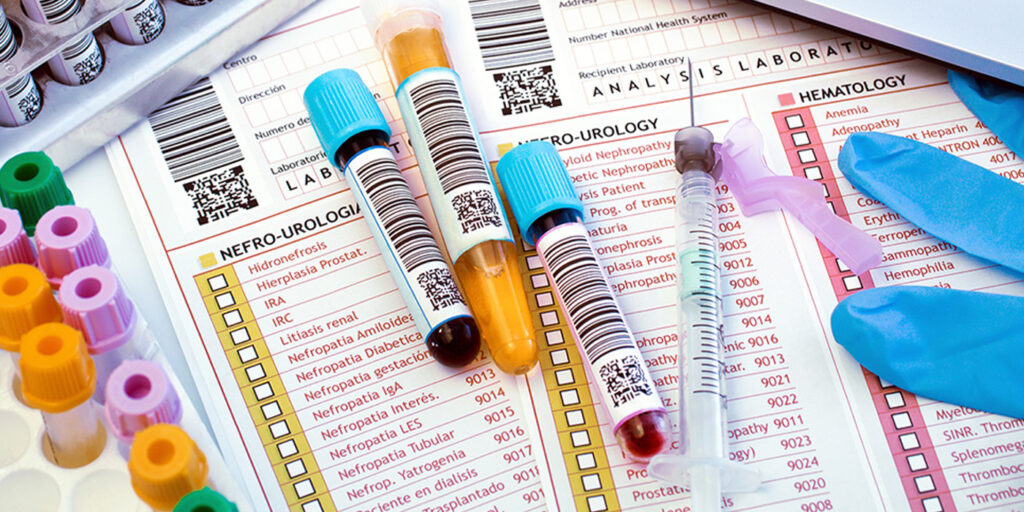
This 100% online certified phlebotomy technician course will train you to work as a phlebotomy technician, as you will learn about drawing blood from patients and blood donors, evaluating patients’ ability to withstand the procedure, and helping them feel comfortable. Adequately explain the blood-drawing procedure to patients and the importance of answering their queries.
This asynchronous, online phlebotomy training will also introduce you to performing basic point-of-care testing, such as reading blood glucose levels, preparing blood, urine, and other specimens for testing, and maintaining medical equipment such as needles, test tubes, and blood vials. The medical terminology training module introduces key concepts about medical language and human anatomy, emphasizing the interconnectedness of body systems in health and disease. For those with prior knowledge of medical terminology, you can optionally test out by achieving a minimum score of 80%, replacing course content if desired. This course feature only applies to the Medical Terminology portion.
The course includes a lab kit for assignments and aligned simulations for practice. You will have the opportunity to participate in a clinical experience (see full disclaimer under Prerequisites and Certification Requirements below).
Upon eligibility, a complimentary voucher to sit for the Certified Phlebotomy Technician certification exam through the National Healthcareer Association (NHA) is provided (review full details under Prerequisites and Certification Requirements below). You will need to successfully complete all assignments with a 70% before you can complete the midterm or final exam.
Note: This course does not meet state requirements for students intending to work in California. Ensure that the Certified Phlebotomy Technician course meets your state’s requirements.
Course Objectives
- Summarizing the role and the responsibilities of a phlebotomy technician
- Ability to describe basic anatomy as it applies to blood and function
- Applying quality and safety measures as they relate to phlebotomy
- Preparing for blood collection
- Performing sample collections
- Executing post-collection procedures
- Choosing ethical behavior that upholds the rights and dignity of patients
- Preparing for the Certified Phlebotomy Technician (CPT) certification exam through the National Healthcareer Association (NHA), with a voucher available upon eligibility
Job Outlook
According to the U.S. Bureau of Labor Statistics (BLS), the average phlebotomist salary was $43,660 in May 2024. Salary can depend on your location. For example, California, Texas, Florida, Illinois, and Georgia are the states with the highest employment levels for phlebotomists. Certified phlebotomy technicians earn $51,108 a year according to ZipRecruiter, indicating salaries will vary depending on your location, experience, employer, and other factors.
What is a phlebotomy technician?
Phlebotomy technicians are responsible for drawing blood needed for tests, donations, transfusions, and research, conducting patient interviews, checking patients’ vital signs, and transporting blood samples to the laboratory for testing.
Where do certified phlebotomy technicians work?
Whether you choose to work in a hospital, medical lab, blood donation center, or doctor’s office, phlebotomy technicians perform an essential function our healthcare system by working directly with patients as well as doctors, nurses and other healthcare professionals.

Professional Certification in Human Resources (PHR) Training
Become a Certified HR Professional
Prepare for a career and professional certification in human resources (HR)! Review industry-recognized practices aligned with the Human Resource Certification Institute (HRCI) and the Society for Human Resource Management (SHRM). You will explore the foundational aspects of HR, including human resource laws, hiring disciplines, and labor relations.
You will dive into essential areas, such as affirmative action and diversity considerations, and come to understand important decisions that human resources professionals often make regarding retention, recruiting, and hiring. Additionally, you will learn how to create a high-performance workplace and related topics of performance appraisals, remote work, workplace communication, motivation, digital media, compensation and benefits, and more.
Training will also prepare you for the HRCI’s Professional Certification in Human Resources (PHR) exam and helpful information for other human resources certification exams, including SHRM’s Certified Professional (SHRM-CP) exam and the HRCI’s Associate Professional in Human Resources (aPHR) exam.
Course Objectives
- Gather comprehensive knowledge needed to sit for the aPHR, PHR, or SHRM-CP human resources certification exams
- Obtain a broad overview of human resources professional practices
- Gain skills for handling recruitment, performance appraisals, and training processes
- Learn strategic decision-making for compensation and job evaluation
- Acquire foundational knowledge of U.S. laws and regulations regarding employment practices
- Understand OSHA rules governing employee health and safety
- Review strategies for implementing retention initiatives
- Study remote work and Diversity considerations
Job Outlook
Human resources professionals are employed in nearly every industry, making this a great career field. They work in offices, and most work full-time during regular business hours, with some traveling to attend professional meetings or recruit employees, as required, depending on the role/organization.
According to the U.S. Bureau of Labor Statistics (BLS), the median annual salary for human resource managers is $140,030. Over 17,000 job openings are projected for these professionals each year on average through 2033. The BLS notes that the median annual salary for human resources specialists is $72,910, with over 86,000 job openings projected annually by 2033.
What Is an HR Specialist?
An HR specialist performs specialized HR tasks such as recruiting, screening, interviewing job applicants, and placing newly hired employees.
Do you need a certification to work as a human resources specialist?
While a certification is not required to work as a human resources specialist, the Professional in Human Resources (PHR) certification is one of the most widely known and most respected credentials in the field of human resources. It is also a requirement by most employers before you are considered for higher-level human resources roles.
Does this course prepare me for certification?
Yes. This Human Resources Professional training course will prepare you for the Professional in Human Resources (PHR) certification exam offered by the Human Resources Certification Institute (HRCI).
Is Human Resources a Good Career?
Absolutely. Every organization, large or small, needs someone who can help them with employee relations. A career in human resources can be whatever you make it. There are dozens and dozens of specialties and career paths to fit almost anyone interested in helping others while improving relations between employers and employees.